Creating a comfortable atmosphere in your home starts with the right lighting. Good lighting not only brightens your space but also influences how you feel and function. Whether you’re reading, relaxing, cooking, or working, the quality and type of light can make a huge difference. In this post, we’ll explore practical tips to help you choose home lighting that feels just right for you and your space.
Why Comfortable Lighting Matters
Lighting affects everything from your mood to your productivity. Harsh, overly bright lights can cause headaches and eye strain, while dim or uneven lighting might make a room feel gloomy or unsafe. Comfortable lighting balances brightness, color, and placement, creating an inviting environment that supports the activities happening in each room.
Consider Different Types of Lighting
To achieve comfort, it’s essential to mix and match different types of lighting. The three main types to think about are:
1. Ambient Lighting
This is the general lighting that fills a room and provides overall illumination. Ceiling fixtures, recessed lights, and large lamps often serve this purpose. Ambient lighting should be bright enough to navigate the space safely without causing glare.
2. Task Lighting
Task lighting focuses on specific areas where you need more brightness for activities like reading, cooking, or working. Desk lamps, under-cabinet lights in the kitchen, and adjustable reading lights are examples. These should be bright but not overpowering, eliminating shadows and reducing eye strain.
3. Accent Lighting
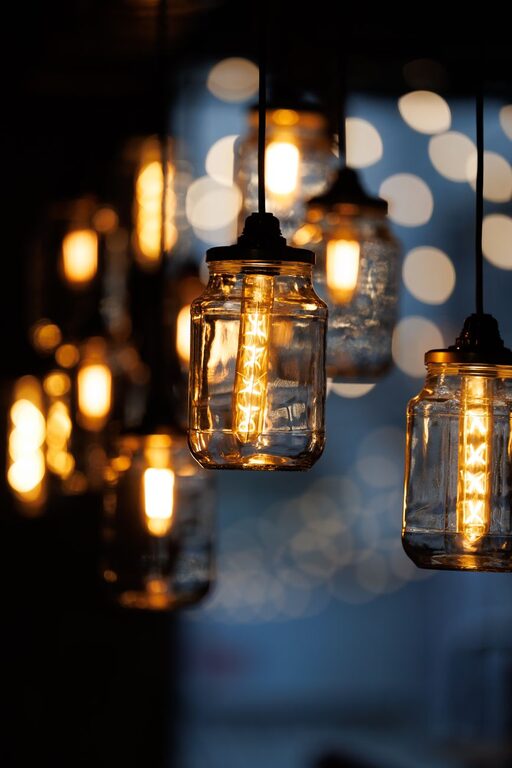
Accent lighting adds depth and visual interest by highlighting architectural features, artwork, or plants. Wall sconces, spotlights, and LED strips often serve this decorative purpose. Although not the main source of illumination, accent lighting contributes to the overall comfort and mood.
Select the Right Bulbs for Comfort
Choosing the right bulbs is key when aiming for comfortable lighting. Here are some factors to consider:
Color Temperature
Measured in Kelvins (K), color temperature affects the warmth or coolness of the light.
– Warm white (2700K to 3000K) creates a cozy, relaxing atmosphere, ideal for living rooms and bedrooms.
– Neutral white (3500K to 4500K) offers a balanced tone for kitchens and bathrooms.
– Cool white (5000K to 6500K) mimics daylight and keeps spaces feeling fresh, suited for workspaces and garages.
Brightness
Lumens measure brightness. Higher lumens mean more light.
– For comfortable living spaces, aim for moderate lumens that avoid harshness.
– Use dimmable bulbs where possible, so you can adjust brightness based on time of day or activity.
Bulb Type
LED bulbs are the recommended choice due to their energy efficiency, long lifespan, and wide range of color temperatures. They produce less heat and come in various shapes and sizes to fit different fixtures.
Layer Your Lighting
Layering lighting means combining ambient, task, and accent lighting to create a versatile and comfortable environment. Here’s how to layer effectively:
– Start with ambient lighting to ensure even illumination.
– Add task lighting for specific activities, keeping it close to the work area.
– Use accent lighting to highlight features and create visual interest.
– Consider adding dimmers to adjust light levels throughout the day.
Think About Light Placement and Direction
Where and how you place your lights greatly influences comfort.
– Avoid placing lights directly overhead where they can cause glare.
– Position task lights so their beam does not cast shadows on your work.
– Use floor lamps and table lamps to soften the atmosphere.
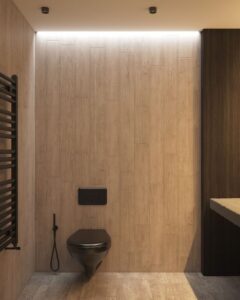
– Consider indirect lighting, such as wall washers or cove lights, which bounce light off walls or ceilings for a gentle glow.
Use Smart Lighting Controls
Smart lighting systems offer convenience and customization, allowing you to adjust brightness and color temperature via apps or voice commands. They help create personalized lighting scenes that fit different times of day or moods, contributing to comfort and energy savings.
Pay Attention to Natural Light
Natural daylight is one of the most comfortable lighting sources. Maximize it by:
– Using sheer curtains or blinds that diffuse sunlight.
– Placing mirrors opposite windows to reflect light deeper into the room.
– Avoiding heavy drapes that block natural light.
Balancing artificial and natural light reduces reliance on electric lighting, improves mood, and supports your body’s natural rhythms.
Practical Tips for Specific Rooms
Living Room
– Use warm white bulbs with adjustable dimmers for a cozy feel.
– Combine floor lamps and table lamps with overhead lighting.
– Add accent lights to highlight artwork or plants.
Kitchen
– Bright, neutral white ambient lighting ensures visibility.
– Install task lighting under cabinets for countertops.
– Consider adjustable or color-changing lights for versatility.
Bedroom
– Soft, warm lighting promotes relaxation.
– Use bedside lamps with dimmers for reading.
– Limit bright overhead lighting before bedtime.
Home Office
– Bright, cool white lighting supports focus.
– Position task lights to reduce screen glare.
– Include adjustable lights that you can control throughout the day.
Final Thoughts
Choosing comfortable home lighting involves more than just picking pretty fixtures. By understanding different lighting types, selecting the right bulbs, layering lights effectively, and considering placement, you can create an inviting and practical environment. Remember, comfort is personal, so experiment with options and make adjustments until your lighting feels just right for your home and lifestyle.