
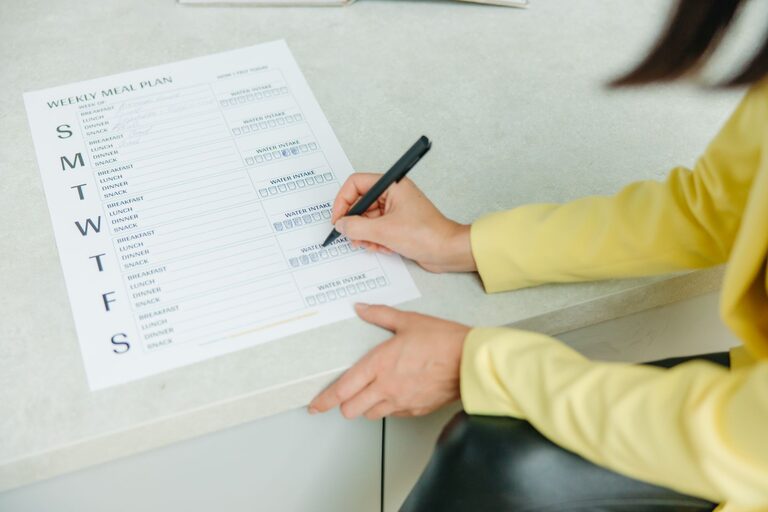
Planning your meals for the week can make a big difference in how smoothly your cooking and grocery shopping go. A well-organized weekly meal plan saves time, reduces food waste, and even helps you stick to healthier eating habits. If you’re new to meal planning or want a straightforward method, this guide will walk you through how to create a simple weekly meal plan that fits your lifestyle.
Why Create a Weekly Meal Plan?
Before diving into the how, it’s helpful to understand the benefits of meal planning:
– Saves Time: No more wondering what to cook each day or rushing to the store last minute.
– Reduces Stress: Less daily decision-making about meals.
– Helps Budget: Buying ingredients in bulk or planning around sales can save money.
– Supports Health Goals: Planning allows you to include balanced meals consistently.
– Cuts Food Waste: You buy only what you need, reducing leftovers and spoilage.
With these benefits in mind, let’s explore a simple process.
Step 1: Choose Your Planning Tool
Start with something that works for you. Some popular options include:
– A physical notebook or planner
– Printable meal planning templates
– Apps specifically designed for meal planning and grocery lists
– Digital calendars like Google Calendar
Keep it simple to begin. Even a blank sheet of paper will work!
Step 2: Assess Your Week
Look at your upcoming week to understand your schedule:
– Which days are busy?
– When will you have more time to cook?
– Are there any social events or dining out planned?
Knowing this helps you decide which days need quick meals and which can be for more elaborate cooking.
Step 3: List Your Favorite Meals
Make a list of meals your family enjoys or dishes you want to try. Include:
– Breakfasts
– Lunches
– Dinners
– Snacks
Having this list handy makes it easier to select meals during planning. Aim for a balance of proteins, vegetables, and carbs to keep meals nutritious.
Step 4: Plan Your Meals by Day
Using your schedule and favorite meals list, start slotting meals into each day:
– For busy days, pick simple, quick recipes like salads, sandwiches, or stir-fries.
– For days with more time, plan for meals that require longer cooking or preparation.
– Consider batch cooking or leftovers for certain days to save time.
Example plan for a week’s dinners:
| Day | Meal |
|———–|———————|
| Monday | Grilled chicken salad|
| Tuesday | Pasta with marinara sauce|
| Wednesday | Stir-fried veggies with tofu|
| Thursday | Slow cooker chili |
| Friday | Homemade pizza |
| Saturday | Roast with potatoes |
| Sunday | Soup and sandwiches |
Step 5: Make a Grocery List
Once your meals are set, write down all the ingredients you need. Divide the list into categories like:
– Produce
– Dairy
– Meat & Protein
– Pantry Staples
– Frozen Foods
Check your pantry and fridge before making the list to avoid buying items you already have.
Step 6: Shop Smart
– Stick to your list to avoid impulse buys.
– Choose fresh, seasonal produce when possible.
– Consider buying some items in bulk if you’ll use them often.
– Don’t forget to check for coupons or sales on staples.
Step 7: Prep Ahead When Possible
Meal prepping can make weekdays easier. Some tips include:
– Wash and chop vegetables in advance.
– Cook grains like rice or quinoa ahead of time.
– Portion out snacks.
– Prepare sauces or dressings for the week.
Even a little prep can save valuable time each day.
Tips for Keeping Your Meal Plan Flexible
Life can be unpredictable, so it’s helpful to stay adaptable:
– Keep a few quick, go-to meals on hand as backups.
– Plan to use leftovers creatively.
– Swap meals between days if your schedule changes.
– Don’t stress if you need to dine out occasionally.
The goal is to make mealtime easier, not rigid.
Final Thoughts
Creating a simple weekly meal plan is a practical way to bring order to your kitchen and support healthier eating habits. Start small, tailor your plan to your preferences and schedule, and use tools that suit you best. Over time, meal planning will feel natural and can become a stress-free part of your routine.
Happy cooking!